In commercial, the lease is the asset.
Residential buyers buy buildings. Commercial investors buy income streams, so I grade the income before the building, price the lease instead of the listing, and never take the selling agent's word for value. Client-side commercial buyers agents are rare. That's the point.
Commercial property buyers agent, client-side only.
A commercial buyers agent should be paid by the buyer and graded on the numbers, so that's the whole model: no developer kickbacks, no sell-side commissions, every deal scored on income quality before the building. The settled purchases are on the results page, and the fees are published: see exactly what I charge.
The system
The Deal Grade™
Two grades, one verdict. The building is graded A to C on the physical asset: age, construction, clear height, power, location. The income is graded 1 to 3 on the lease, because that's what you're actually buying. The full walkthrough of the role behind the grade is in what a commercial buyers agent does.
The buy zone is A1, A2 and B1.
B2, A3 and C1 are value-add plays only, and only at a price that pays for the risk. Everything else, we walk.
Why it matters
The selling agent grades every property A1. I grade maybe one in ten that way, and I show the workings, criterion by criterion, before you offer a dollar.
If the grade doesn't say buy, the price doesn't matter.
The income grade
Six things the listing won't tell you about the lease.
The method
Precinct. Grade. Price.
Precinct: sector and timing first.
Property clock position by asset class, precinct supply, tenant demand depth, infrastructure. Office, retail and industrial move on different cycles; buying the right asset in the wrong phase still loses.
Grade: the Deal Grade matrix.
Building A–C against the published grading criteria. Income 1–3 against the six lease tests. Only buy-zone deals proceed to pricing; most don't.
Price: the lease, not the listing.
Term and reversion valuation for anything under- or over-rented. Cap-rate comps from settled sales, not agent guides. A 10-year cash flow with NPV, IRR and vacancy scenarios. The offer is anchored to these numbers, never to the guide.
The three value levers
Upside the listing agent won't model for you.
Because they work for the other side. Every appraisal I run quantifies all three.
Covenant upgrade
Same rent, stronger tenant, compressed cap rate. The signature on the lease can be worth more than the building works.
Example: $100K rent re-rated from a 6% to a 4% cap adds $833K of value.
Reversion capture
Buy under-rented, reset to market at expiry. Term and reversion pricing means you pay for today's lease and keep tomorrow's upside.
Example: $100/m² passing vs $150/m² market on 510m² is a $425K capital gain at reset.
Lettable area
Mezzanines and NLA expansion, valued per square metre. The cheapest floor space you'll ever buy is the air inside your own building.
Example: a 50m² mezzanine at $3,250/m² adds $162K of value.
What you get
Deliverables that stand up against the sell side.
The fee
Engagement fee plus a success fee at exchange.
$5,000 engagement fee, then a success fee of $15,000 or 2% of the purchase price, whichever is greater, at unconditional exchange. Both figures include GST. The floor exists because a full acquisition process costs the same whether the asset is $600,000 or $6 million; the percentage only overtakes it once the purchase price passes $750,000. Commercial searches vary wildly in length; the structure reflects it.
The Deal Grade and full pricing stack are free on your strategy call. Bring a listing and leave with the grade, the appraisal logic and the ten-year numbers, before you commit to anything.
- Precinct and property-clock timing analysis
- The Deal Grade on every candidate
- Term and reversion pricing, cap-rate comps, DCF
- Off-market access through agent relationships
- SMSF commercial, including related-party premises
The proof
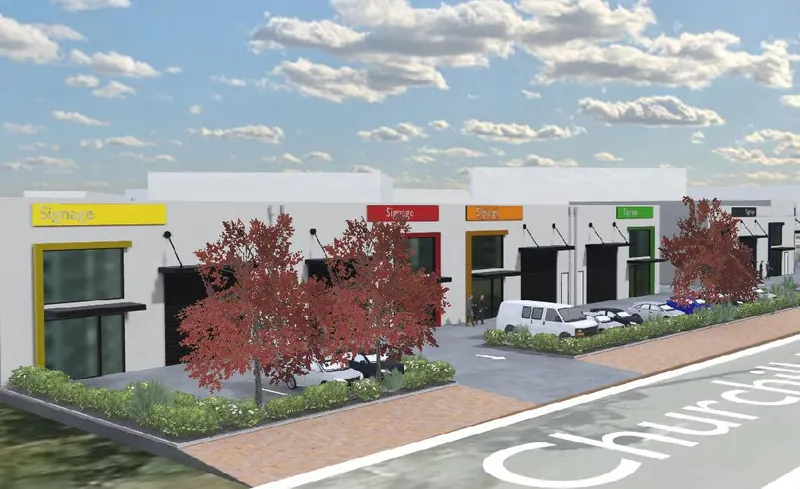
The settled commercial entry on my ledger is Dry Creek, SA, my own project rather than a client's, published in full on the results page. I use the same Deal Grade™ discipline, income assessed before the building, on every client commercial brief. Client settlement data will be added here as those purchases complete, rather than dressed up in the meantime. As at September 2026.
Dry Creek was bought and sold as principal, not on a client's behalf. Individual outcomes vary. Full disclaimer below.
Free · two minutes
Think commercial is out of your league? Take the Ready Check.
Most residential investors assume commercial starts at $5M and ends in vacancy horror stories. The Commercial Ready Check tests what actually matters: usable equity, lending position, income needs and risk comfort, then tells you straight whether commercial fits your next move.
Take the Ready CheckFAQ
Questions buyers ask before engaging
What is The Deal Grade™?
How does the $20,000 minimum fee work?
Do you review the lease before purchase?
Would you ever buy a vacant commercial property?
Do you publish a target yield?
Can I buy commercial property through my SMSF?
Is the Dry Creek project a client purchase?
Bring the listing. Leave with the grade.
A strategy call is 30 minutes. The Deal Grade, the appraisal logic and the ten-year numbers are free either way. If it's a walk, I'll tell you before the sell side charges you for finding out.
Book a strategy call